


In brief
Lumen depreciation describes the unavoidable brightness loss of an LED over its service life. The L70 value states after how many operating hours the LED still delivers 70 percent of its initial brightness. For professional outdoor LEDs this value is 50,000 to 100,000 hours, equivalent to roughly 11 to 22 years at twelve hours of daily operation.
What does “brightness decay” mean?
Every LED loses a small share of its original brightness over its lifespan – this is physically unavoidable. Manufacturers usually specify an L70 value: the operating point (in hours) at which the LED still delivers 70% of its initial brightness. For professional outdoor LEDs, this value is 50,000 to 100,000 hours – equivalent to around 11 to 22 years at twelve hours of daily operation.
Why does an LED dim over time?
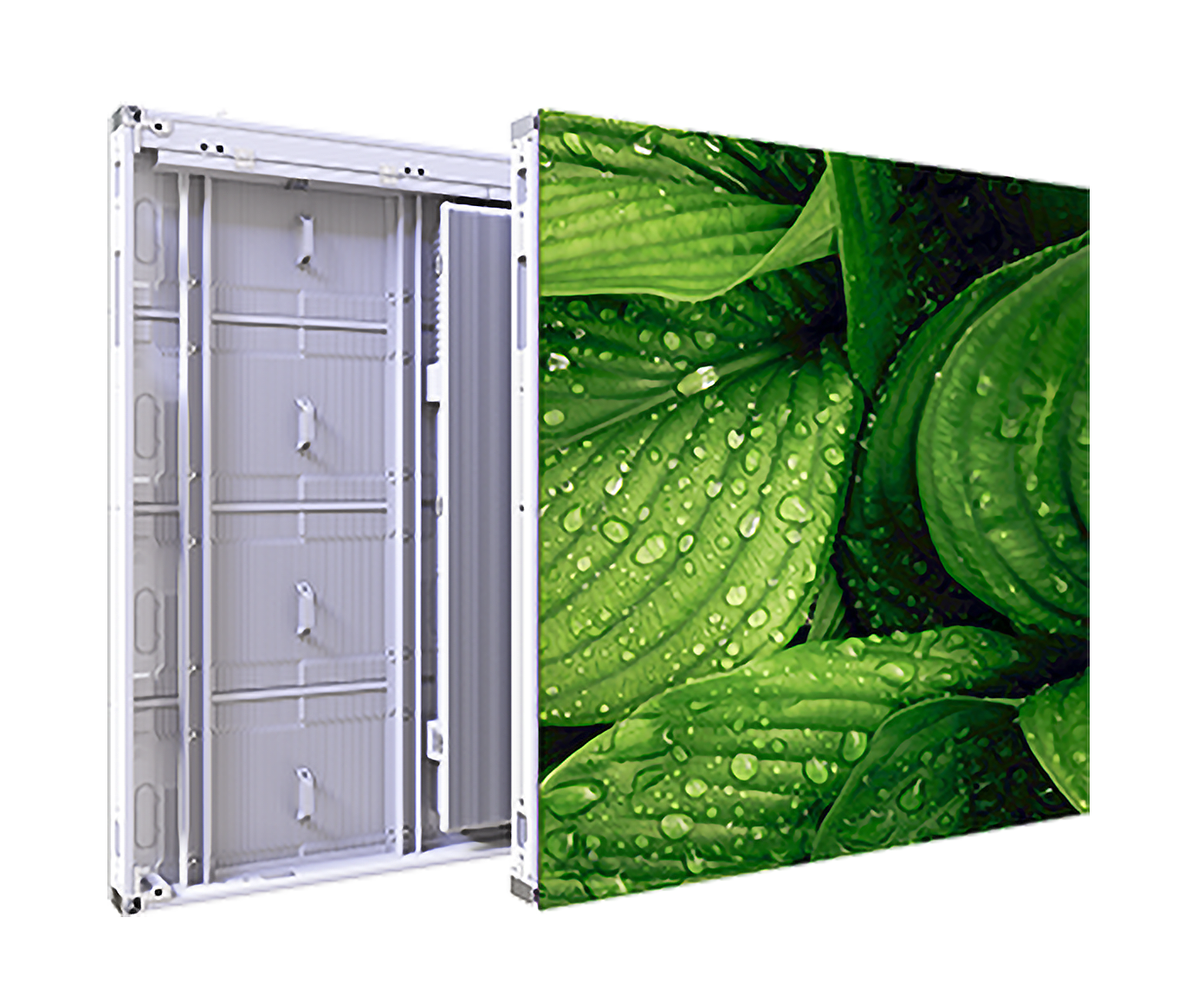
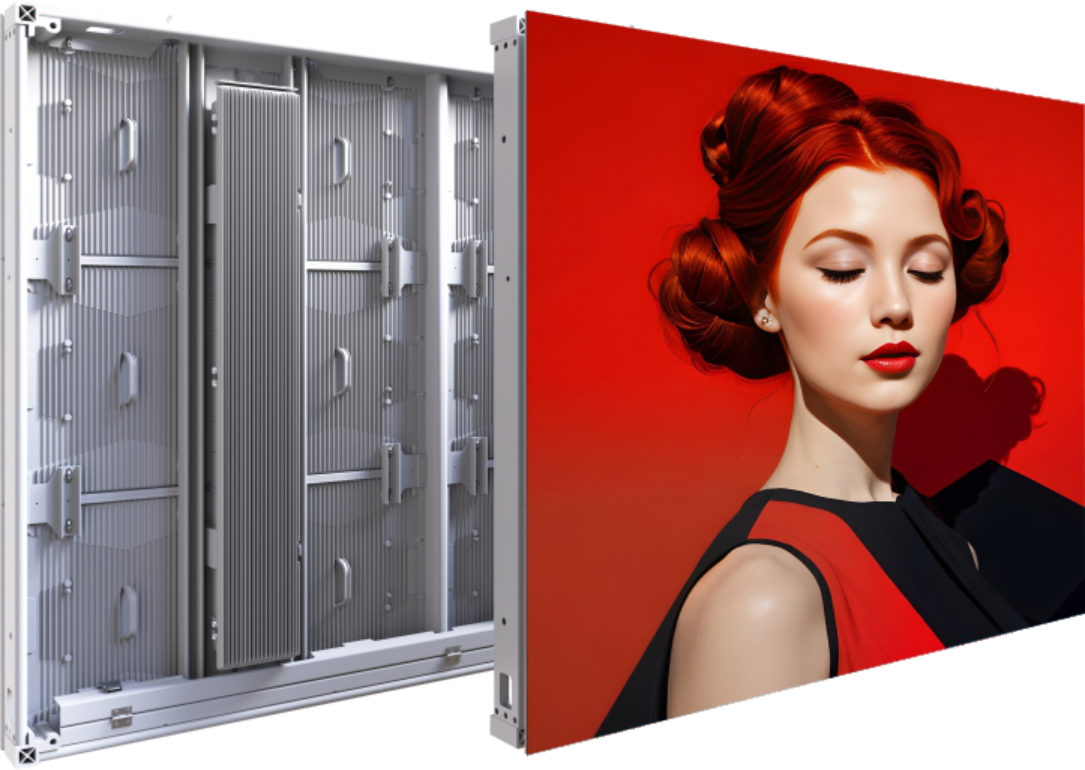
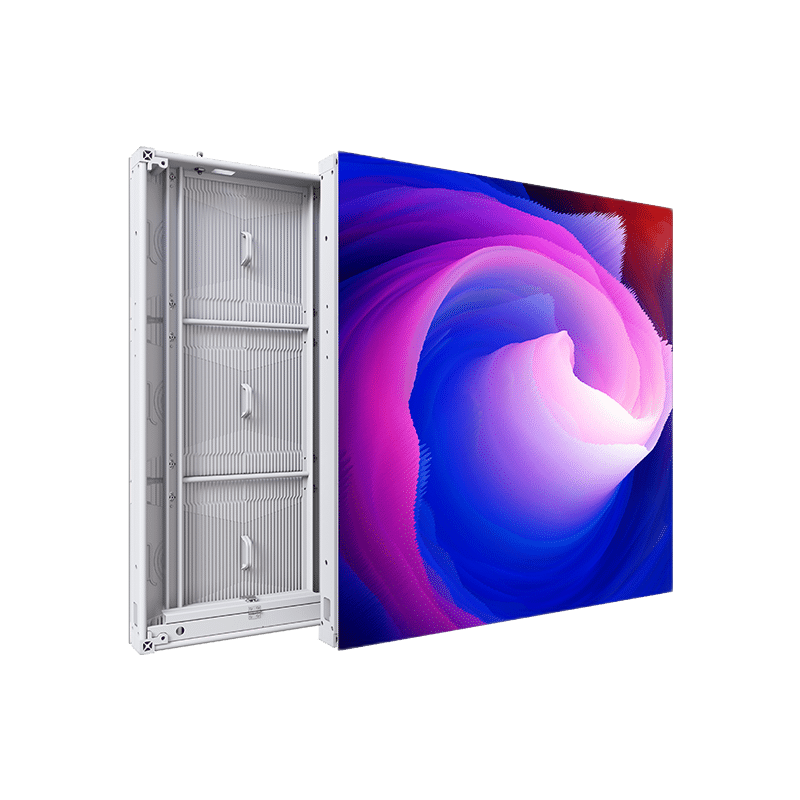
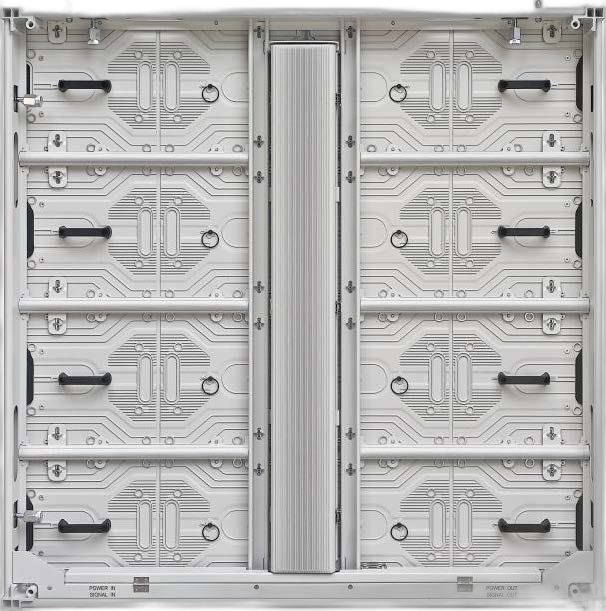
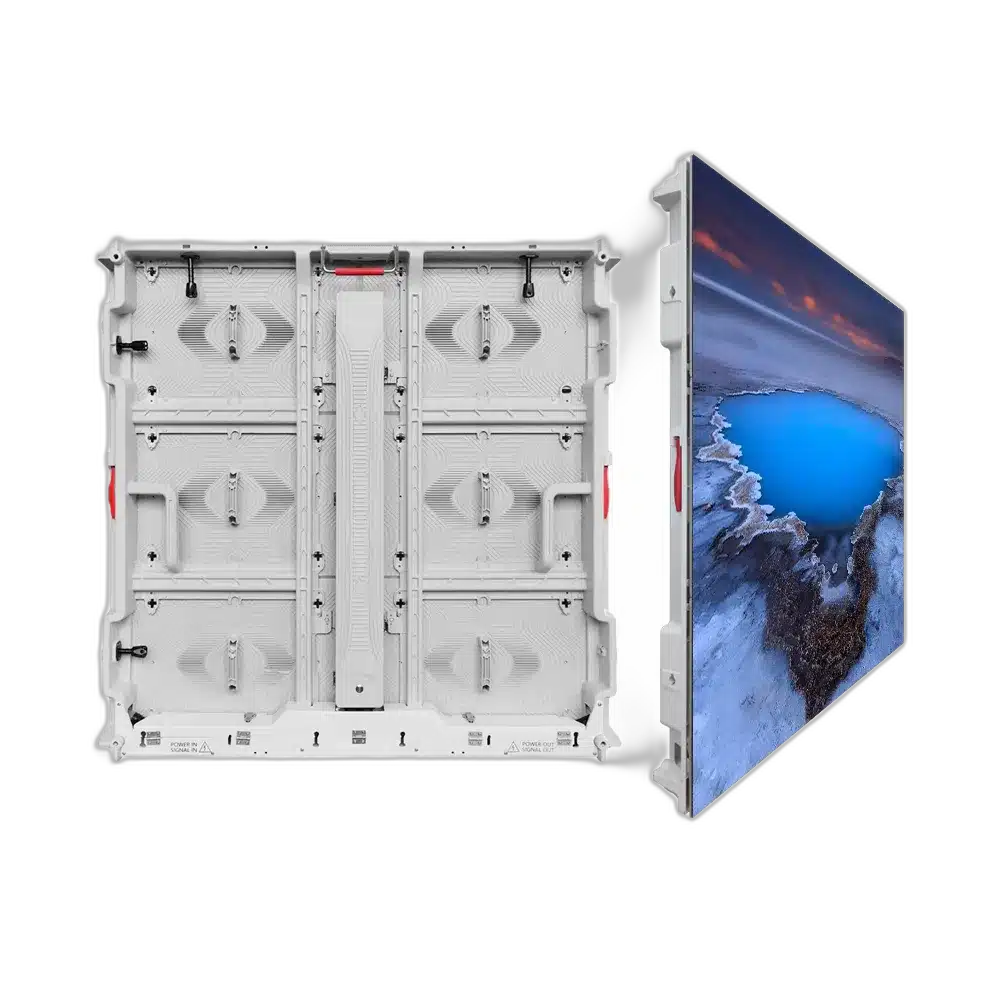
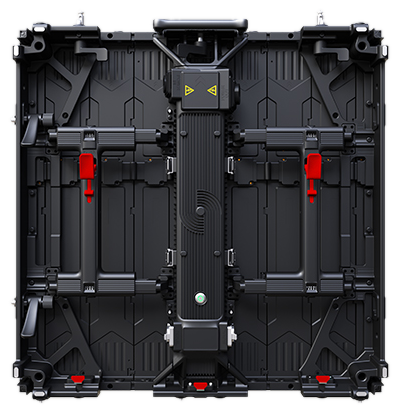
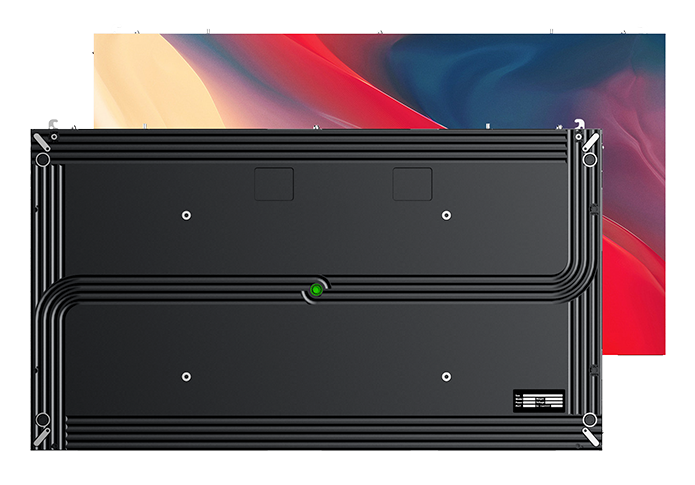
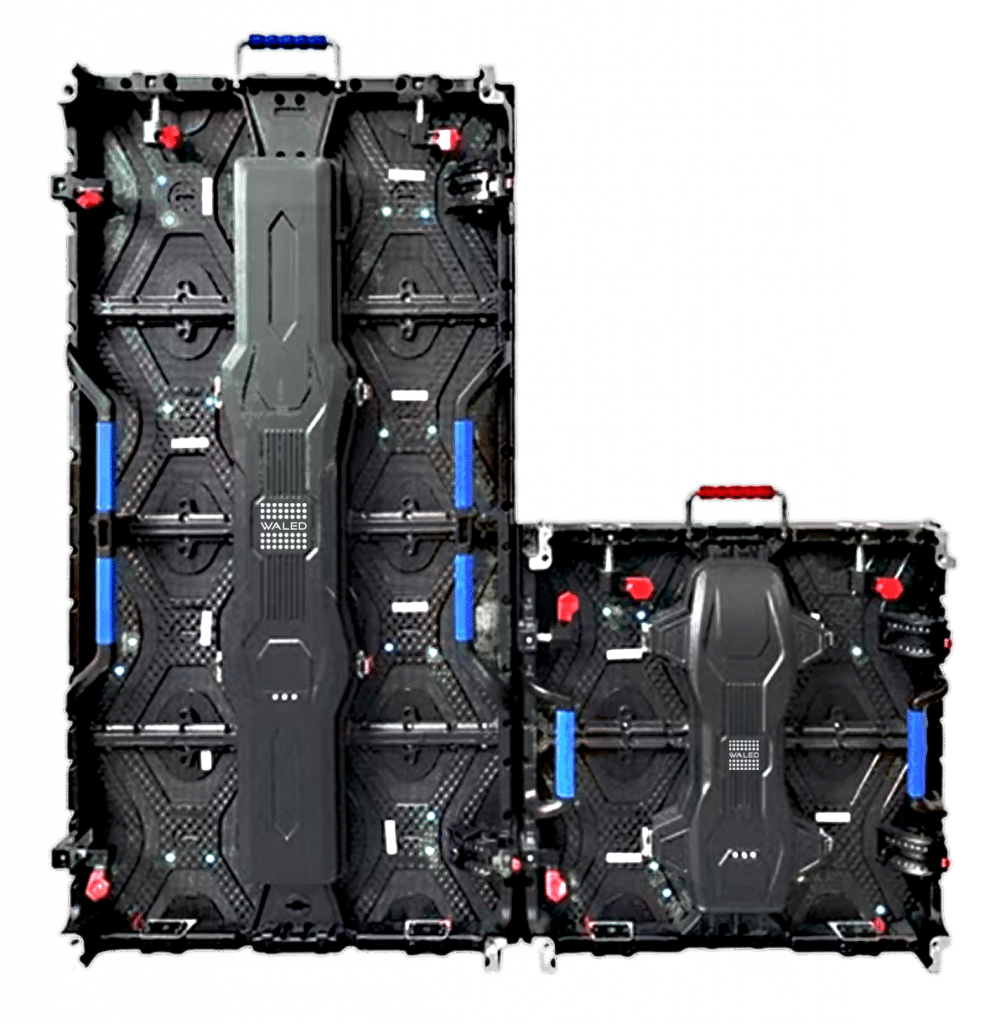
The main causes are heat, UV radiation, and current density. The hotter an LED runs and the harder it is driven, the faster the semiconductor ages. This is exactly why heat dissipation is a central design criterion of professional LED walls: well-ventilated cabinets, high-quality aluminium chassis, and intelligent brightness control considerably extend the lifespan.
How your wall stays bright for a long time
- Adapt brightness to the environment – most systems are operated with a reserve that is only fully used in direct midday sun. A brightness sensor automatically reduces output at night and protects the diodes.
- Choose high-quality chips – see also LED Chip Manufacturers and Gold Wire Bonding. Brand-name chips dim considerably more slowly.
- Regular maintenance – more on this under Maintenance & Warranty.
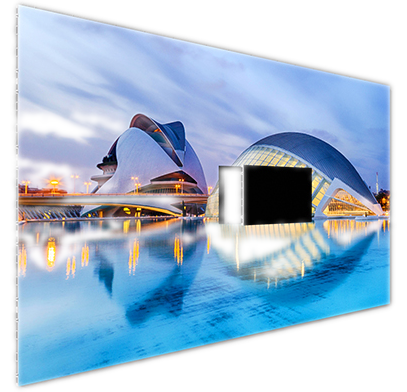
- Recalibrate modules when needed – on large walls, after several years we re-align the individual cabinets to each other via software so that differences remain invisible.
What does this mean for planning?
We design our systems so that the required brightness is still achieved in standard operation even after years – not only at maximum output. A wall that has to run at 100% right after installation is incorrectly dimensioned. A professionally designed WALED wall typically runs between 50 and 75% – with plenty of headroom.
Frequently asked questions – LED Brightness Decay Over Time
What does the L70 value mean for LEDs?
The L70 value denotes the operating point in hours at which an LED still delivers 70 percent of its original brightness. For professional outdoor LEDs it lies between 50,000 and 100,000 hours.
How long does an LED wall last?
With professional outdoor LEDs rated L70 at 50,000 to 100,000 hours, that equates to roughly 11 to 22 years at twelve hours of daily operation. Heat dissipation, operating brightness and regular maintenance determine the actual service life.
Why does an LED wall dim over time?
The main causes are heat, UV radiation and current density. The hotter an LED runs and the harder it is driven, the faster the semiconductor ages. Well-ventilated cabinets, high-quality aluminium chassis and intelligent brightness control are therefore central design criteria for professional LED walls.
How can I slow down lumen depreciation on my LED wall?
Four measures help: adapt brightness to the environment via a sensor instead of running permanently at maximum, use high-quality branded chips, have the installation serviced regularly, and recalibrate the modules in software after a few years so differences between cabinets remain invisible.
What brightness reserve does WALED plan for?
WALED designs installations so the required brightness is still reached in standard operation after years, not only at maximum. A professionally dimensioned WALED wall typically runs between 50 and 75 percent, with ample headroom. A wall that has to run at 100 percent right after installation is incorrectly dimensioned.
Consulting and planning by WALED
WALED VIDEOWALLS GmbH, based in Duisburg, develops, supplies and installs LED video walls for fixed installation and rental – indoor and outdoor, throughout Germany. As a manufacturer for fixed installation and rental with 25 years of experience we plan your system from requirements analysis and 3D planning through to commissioning and maintenance. Reach us on +49 (0) 172 2844494 or via the contact form. Find the right configuration in minutes with the LED wall configurator.