




In brief
A nit (cd/m², candela per square metre) states how much light a surface emits per square metre. How many nits an LED wall needs depends almost entirely on ambient light: 600 to 1,200 nits are enough in a conference room, 1,500 to 2,500 nits in a lobby, 3,500 to 5,000 nits outdoors in shade, and 6,000 to 8,000 nits or more in direct sunlight.
What are “nits”?
The unit nit (cd/m², candela per square metre) indicates how much light a surface emits per square metre. The higher the value, the brighter the image appears – but beware: the required brightness depends heavily on the ambient light.
How many nits does my wall need?
- Conference room, studio: 600 – 1,200 nits are perfectly sufficient – more tends to dazzle rather than help.
- Lobby, shop window with indirect daylight: 1,500 – 2,500 nits.
- Outdoor, north-facing / shade: 3,500 – 5,000 nits.
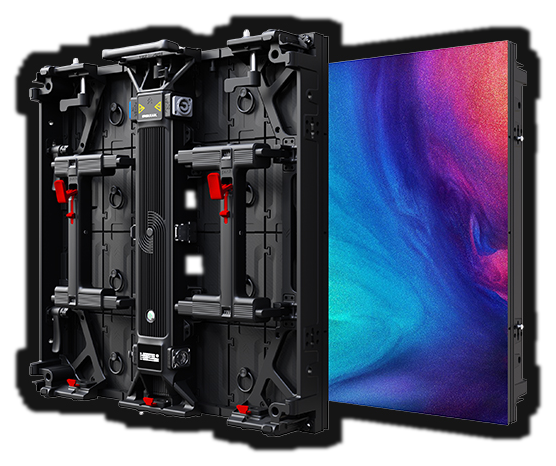
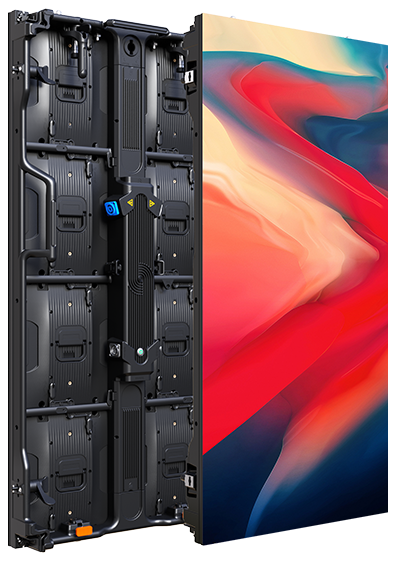
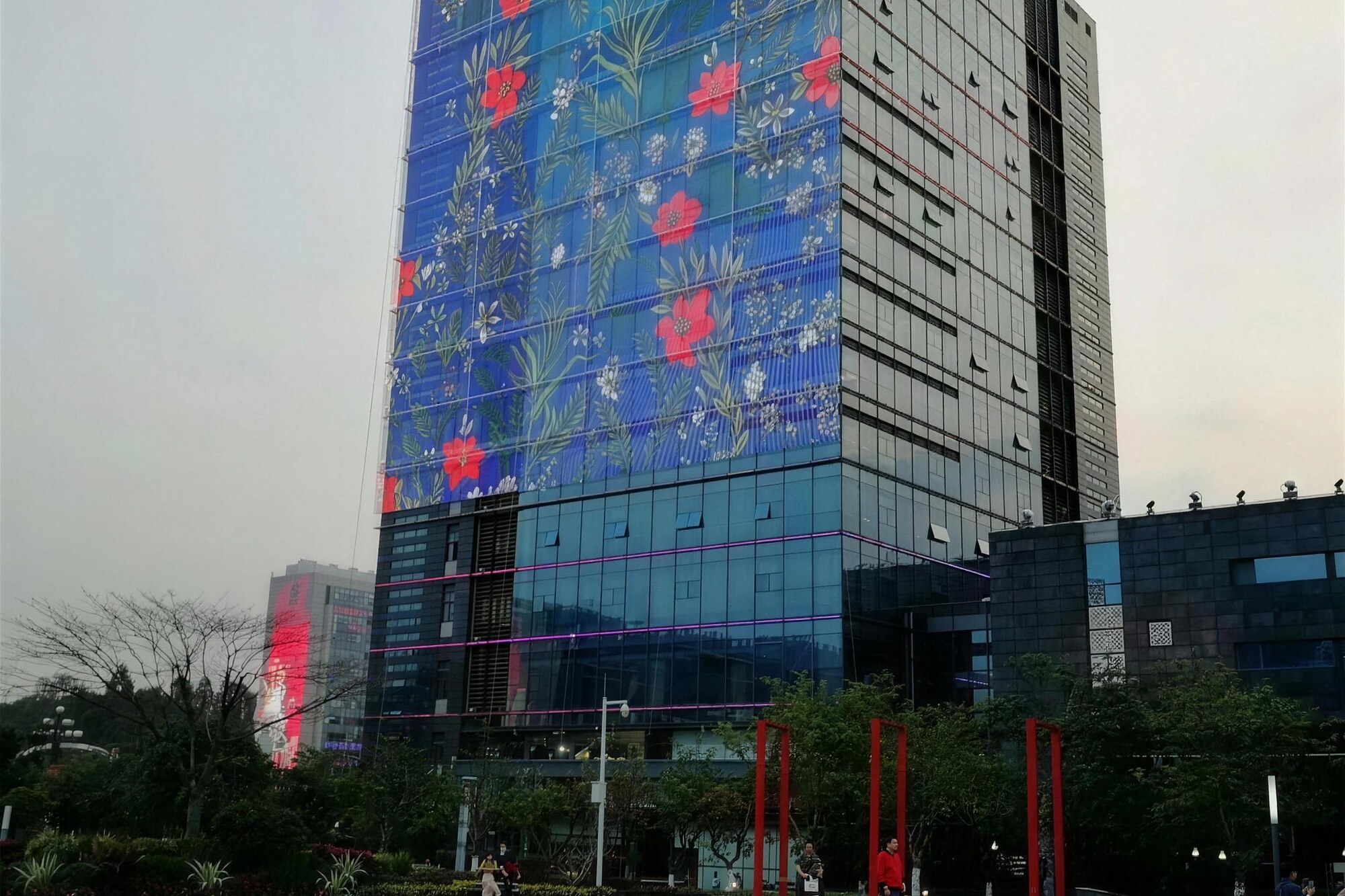
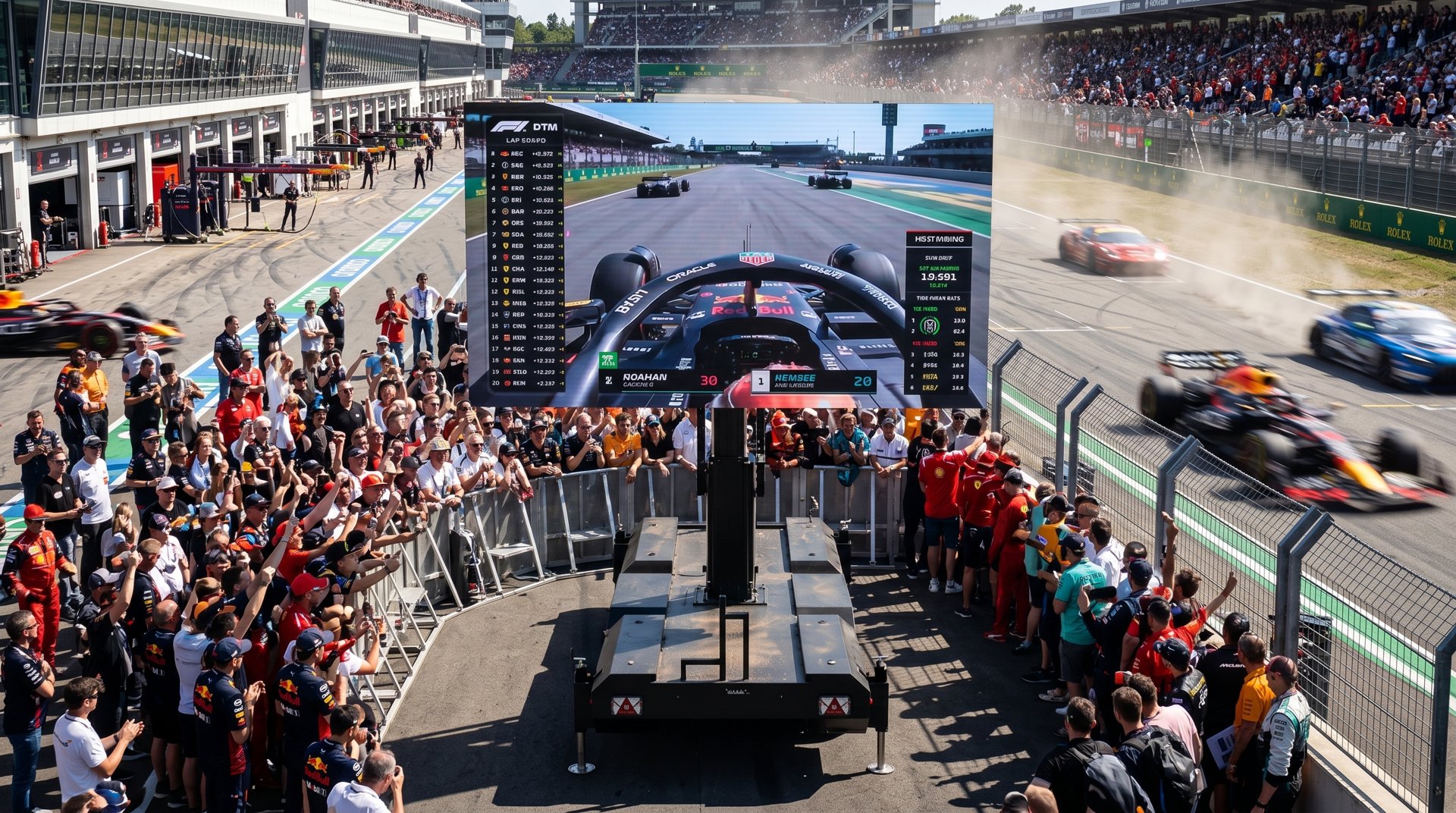
- Outdoor, south-facing / direct sun: 6,000 – 8,000 nits and more. Our SIGNATURE 960 reaches up to 7,500 nits, the SIGNATURE PRO/ULTRA up to 12,000.
Why not simply always go for the maximum?
An LED wall ages faster the harder it is driven – see Brightness Degradation in LED Systems. Professional planning therefore dimensions with a reserve: better a powerful wall at 60% brightness than a weaker one at its limit. This saves electricity, protects the diodes, and looks the same for years.
Brightness is not everything
A high nit value is of little use without good contrast and stable colours. On many of our outdoor series (SIGNATURE 960, VARIO, MARINA), we therefore rely on black SMD chips, which maintain deep blacks even at high brightness.
Frequently asked questions – Brightness & Nits Explained
How many nits does an outdoor LED wall need?
Facing north or in shade, 3,500 to 5,000 nits are sufficient. Facing south in direct sun, 6,000 to 8,000 nits or more are needed. The WALED SIGNATURE 960 reaches up to 7,500 nits, the SIGNATURE PRO/ULTRA up to 12,000 nits.
How many nits does an indoor LED wall need?
In a conference room or studio, 600 to 1,200 nits are entirely sufficient – more tends to dazzle rather than help. In lobbies and shop windows with indirect daylight, 1,500 to 2,500 nits are appropriate.
Why should an LED wall not run permanently at maximum brightness?
An LED ages faster the harder it is driven. Professional planning therefore designs in reserve: a powerful wall at 60 percent brightness is better than a weaker one at its limit. This saves power, protects the diodes and keeps the wall looking consistent for years.
What is the difference between nits and lumens?
Lumens measure the total luminous flux of a source; nits measure the luminance of a surface, that is candela per square metre. For LED walls the nit figure is the relevant one, because what matters is the brightness of the image surface rather than the total light output.
Is a high nit value alone enough for a good image?
No. A high nit value is of little use without good contrast and stable colours. On the SIGNATURE 960, VARIO and MARINA outdoor series, WALED therefore uses black SMD chips that maintain deep blacks even at high brightness.
Consulting and planning by WALED
WALED VIDEOWALLS GmbH, based in Duisburg, develops, supplies and installs LED video walls for fixed installation and rental – indoor and outdoor, throughout Germany. As a manufacturer for fixed installation and rental with 25 years of experience we plan your system from requirements analysis and 3D planning through to commissioning and maintenance. Reach us on +49 (0) 172 2844494 or via the contact form. Find the right configuration in minutes with the LED wall configurator.