


In brief
Refresh rate states how often per second the entire LED content is rebuilt, measured in hertz. To the human eye, 1,920 Hz already looks smooth. As soon as an LED wall is filmed, higher values are needed: 3,840 Hz for rental and live events, 7,680 Hz for TV studios, film production and xR stages.
What is the refresh rate?
The refresh rate indicates how often per second the entire LED content is completely redrawn, measured in hertz (Hz). To the human eye, an LED wall running at 1,920 Hz already appears absolutely smooth. For a camera, however, this is often not enough.
The camera problem
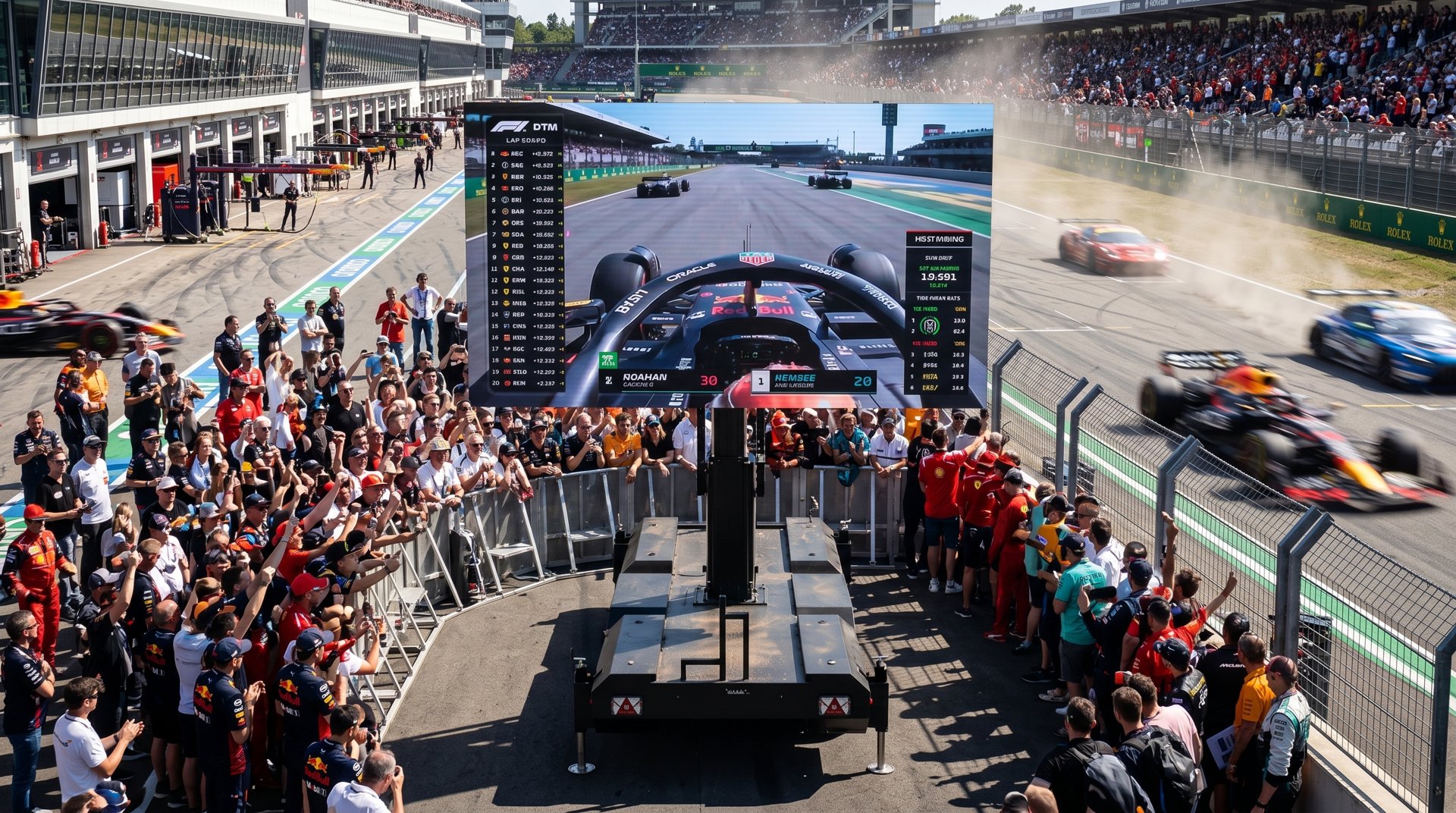
As soon as an LED wall is filmed, two timing schemes collide: the refresh rate of the wall and the shutter speed of the camera. If the refresh rate is too low, viewers see black bars travelling through the image in the video – classic banding. The dreaded moiré effect in close-ups is also amplified.
Which values make sense?
- Standard indoor / advertising: 1,920 – 3,840 Hz.
- Rental / stage / live events: 3,840 Hz – sufficient for most camera productions.
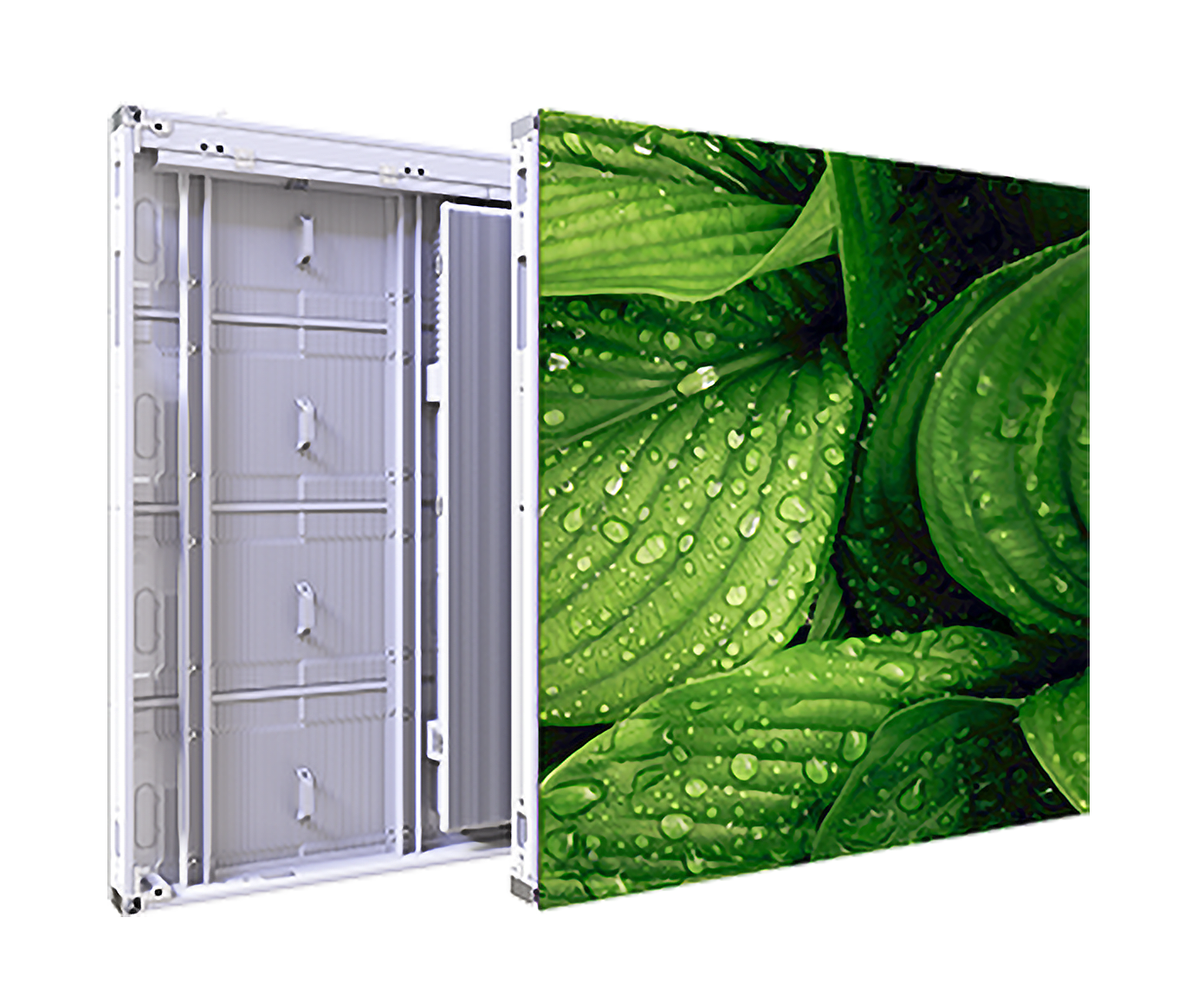
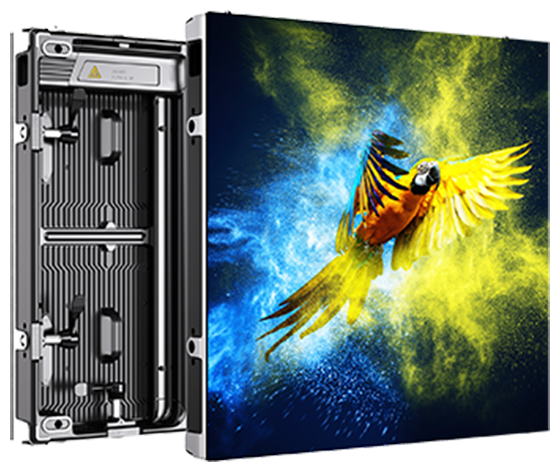
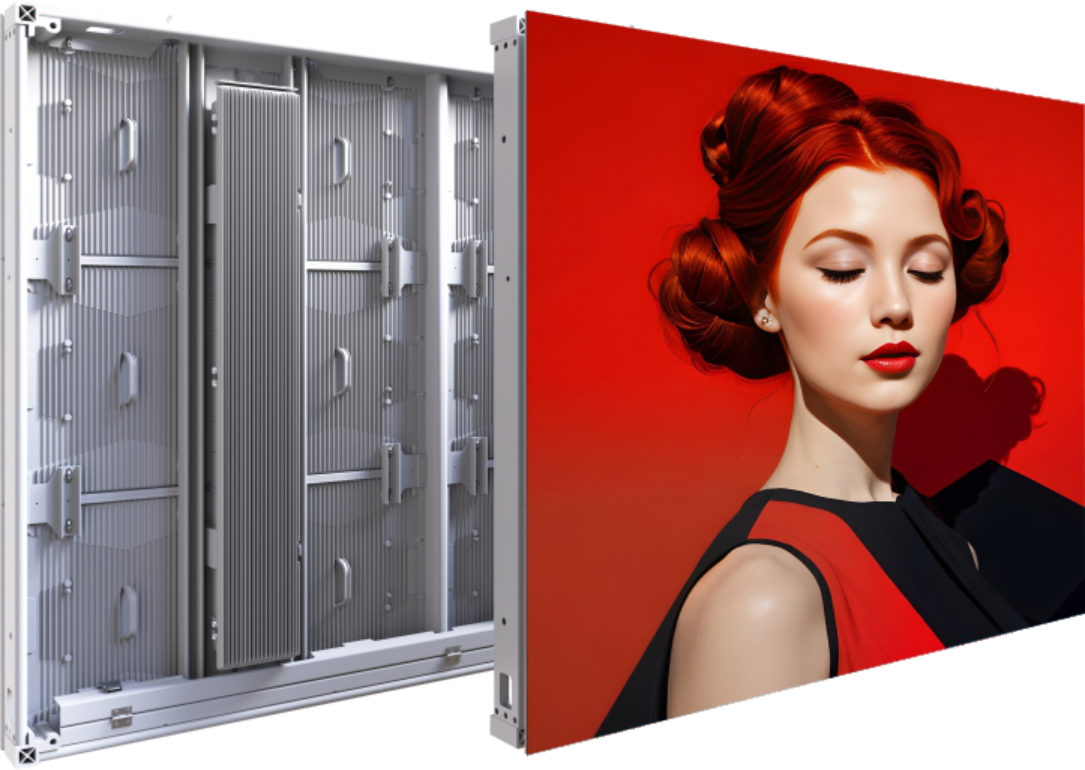
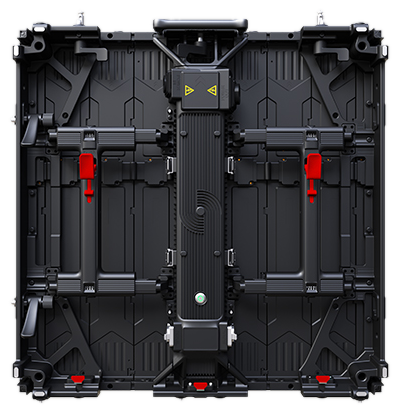
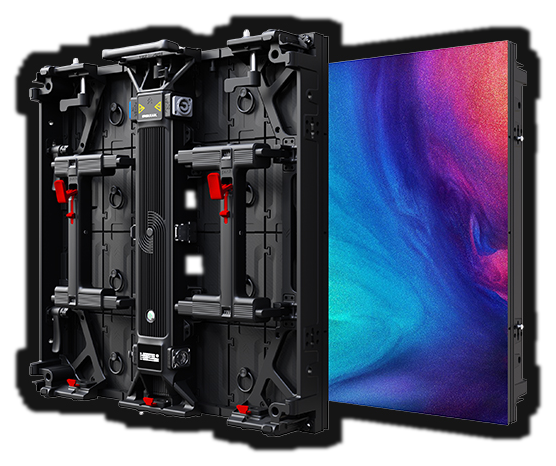
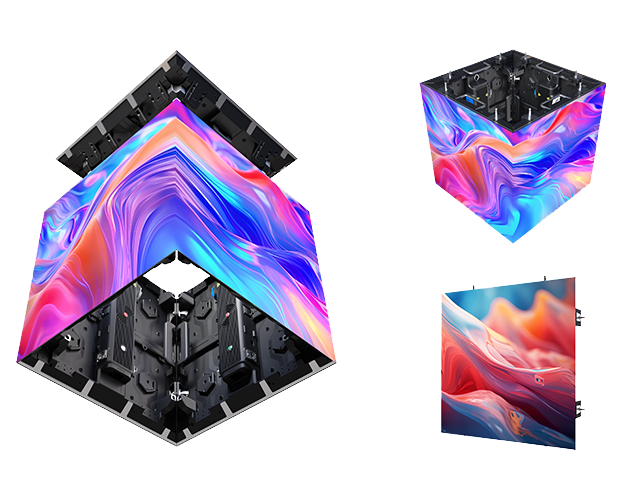
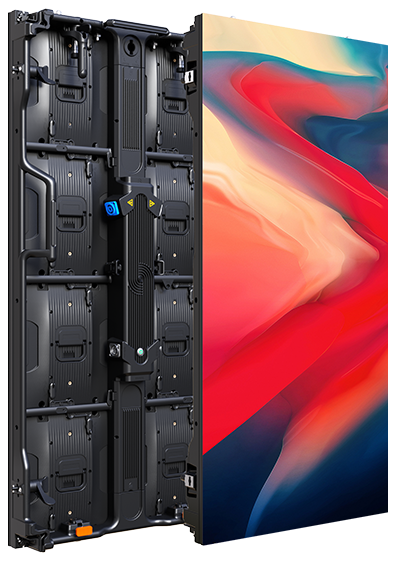
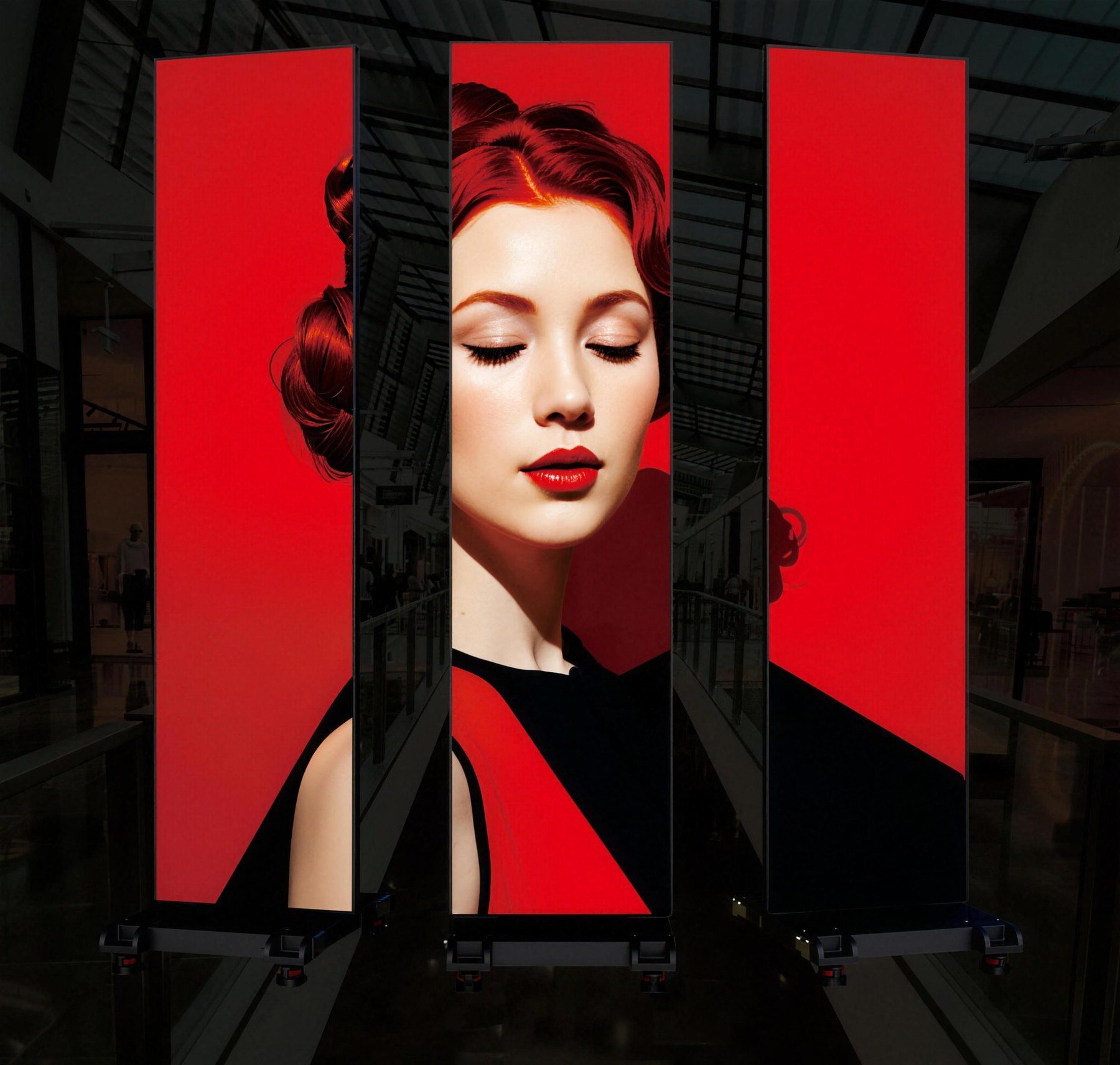
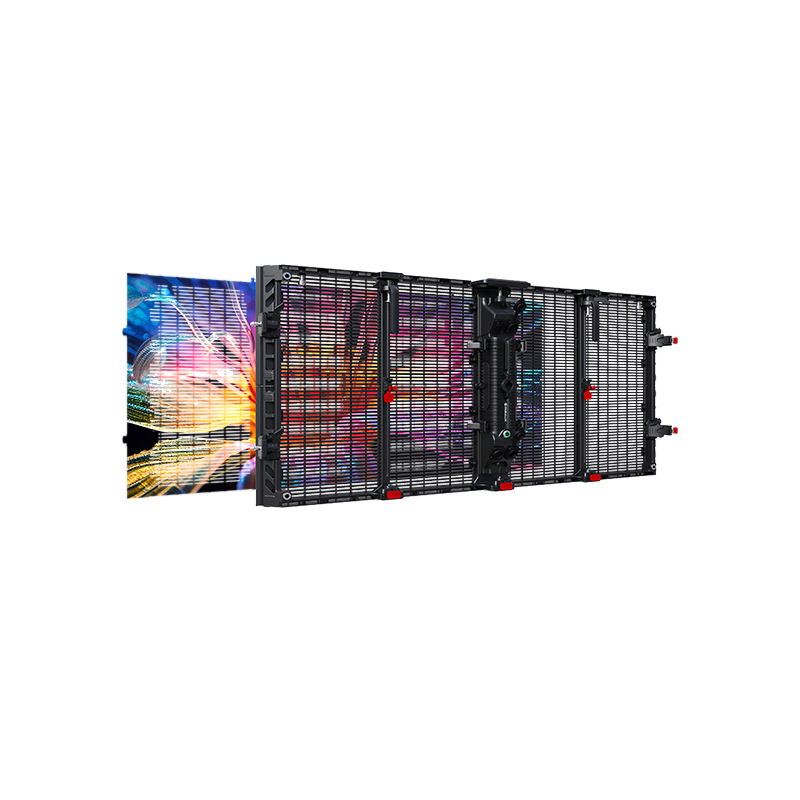
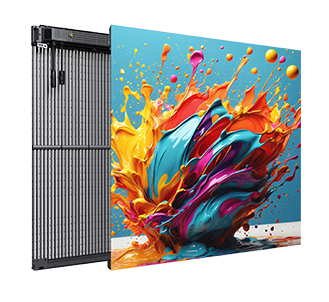
- TV studio, film production, xR stage: 7,680 Hz – standard on AURA PRO, AURA STAGE, and CURTAIN-Z.
Rule of thumb for filming
If your wall needs to be camera-ready, you should have at least double the highest planned frame rate in Hz. For a 50p recording, that means at least 100 Hz – 1,920 Hz and above is comfortable. For 4K slow motion at 240 fps, 7,680 Hz is the safe choice.
Frequently asked questions – Refresh Rate Explained
What refresh rate does an LED wall need for camera work?
For most camera productions in rental and live work, 3,840 Hz is sufficient. For TV studios, film production and xR stages, 7,680 Hz is the standard – a value reached by WALED AURA PRO, AURA STAGE and CURTAIN-Z.
Why does an LED wall flicker on video?
When filming, two timing schemes meet: the wall's refresh rate and the camera's shutter speed. If the refresh rate is too low, black bands travel through the image – classic banding. In close-ups the moiré effect is amplified as well.
How high must the refresh rate be relative to the frame rate?
As a rule of thumb, the wall should deliver at least twice the highest planned frame rate in hertz. For a 50p recording that is mathematically at least 100 Hz; 1,920 Hz and above is comfortable. For 4K slow motion at 240 fps, 7,680 Hz is the safe choice.
Are 1,920 Hz enough for an advertising installation?
Yes. For standard indoor applications and advertising surfaces that are not filmed, 1,920 to 3,840 Hz is sufficient. The human eye perceives no flicker at these values.
What is the moiré effect on LED walls?
Moiré occurs when the regular pixel grid of the LED wall overlaps with the camera's sensor grid. It is most visible in close-ups. A sufficiently high refresh rate and an appropriate viewing or camera distance reduce the effect considerably.
Consulting and planning by WALED
WALED VIDEOWALLS GmbH, based in Duisburg, develops, supplies and installs LED video walls for fixed installation and rental – indoor and outdoor, throughout Germany. As a manufacturer for fixed installation and rental with 25 years of experience we plan your system from requirements analysis and 3D planning through to commissioning and maintenance. Reach us on +49 (0) 172 2844494 or via the contact form. Find the right configuration in minutes with the LED wall configurator.